Kalpavalli ("Eternal source of Abundance")
The Kalpavalli Programme is one of the Timbaktu Collective’s longest-standing ecological restoration initiatives, launched in 1992 to revive and protect degraded village commons. The name Kalpavalli, meaning “eternal source of abundance,” reflects the vision of restoring natural ecosystems that sustain rural communities and local biodiversity. Over the years, the programme has focused on reversing damage caused by deforestation, overgrazing, forest fires, and the impacts of climate change, working across more than 4,000 acres of common lands in the mandals of Chennekothapalli, Roddam and Ramagiri in the Sri Sathya Sai District of Andhra Pradesh.
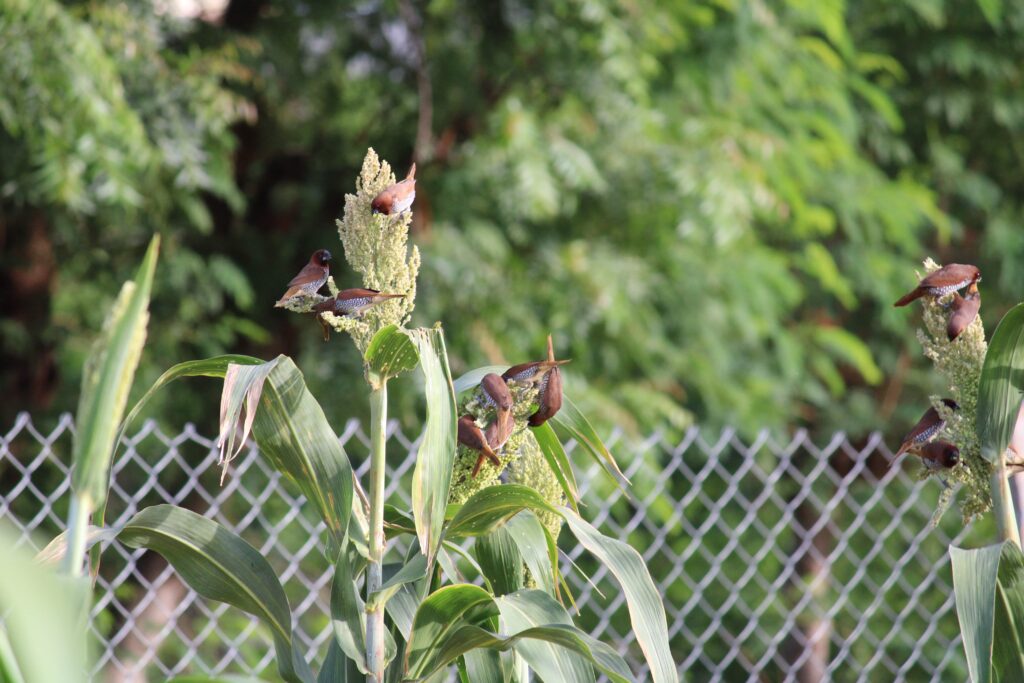
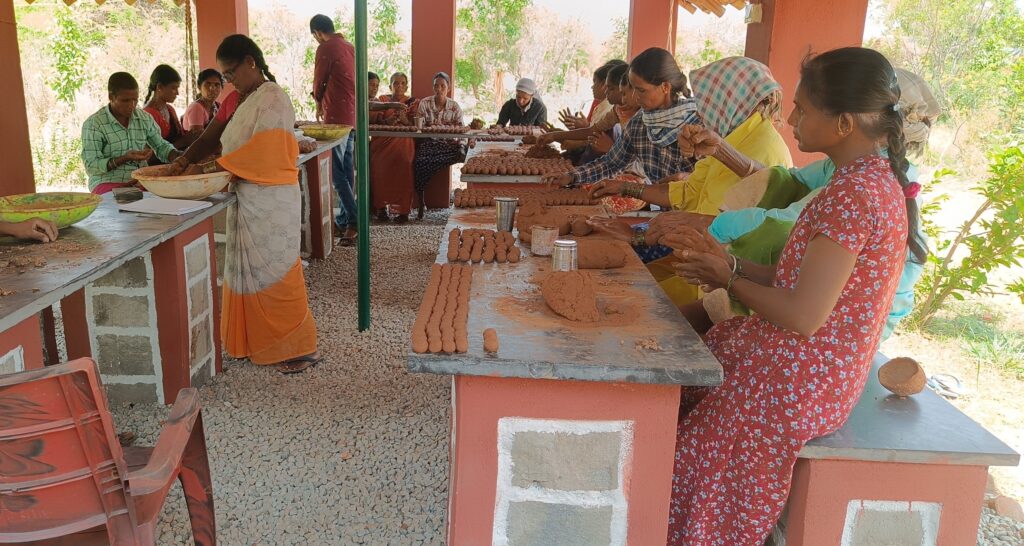
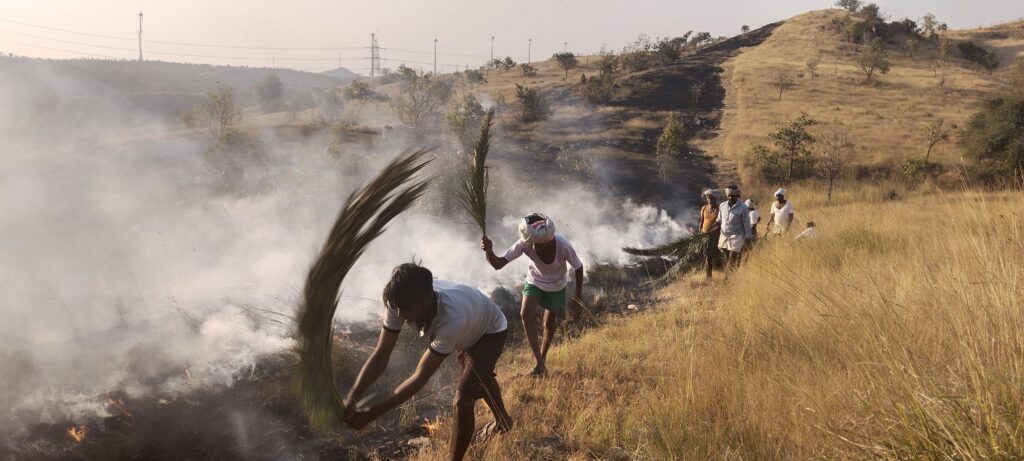
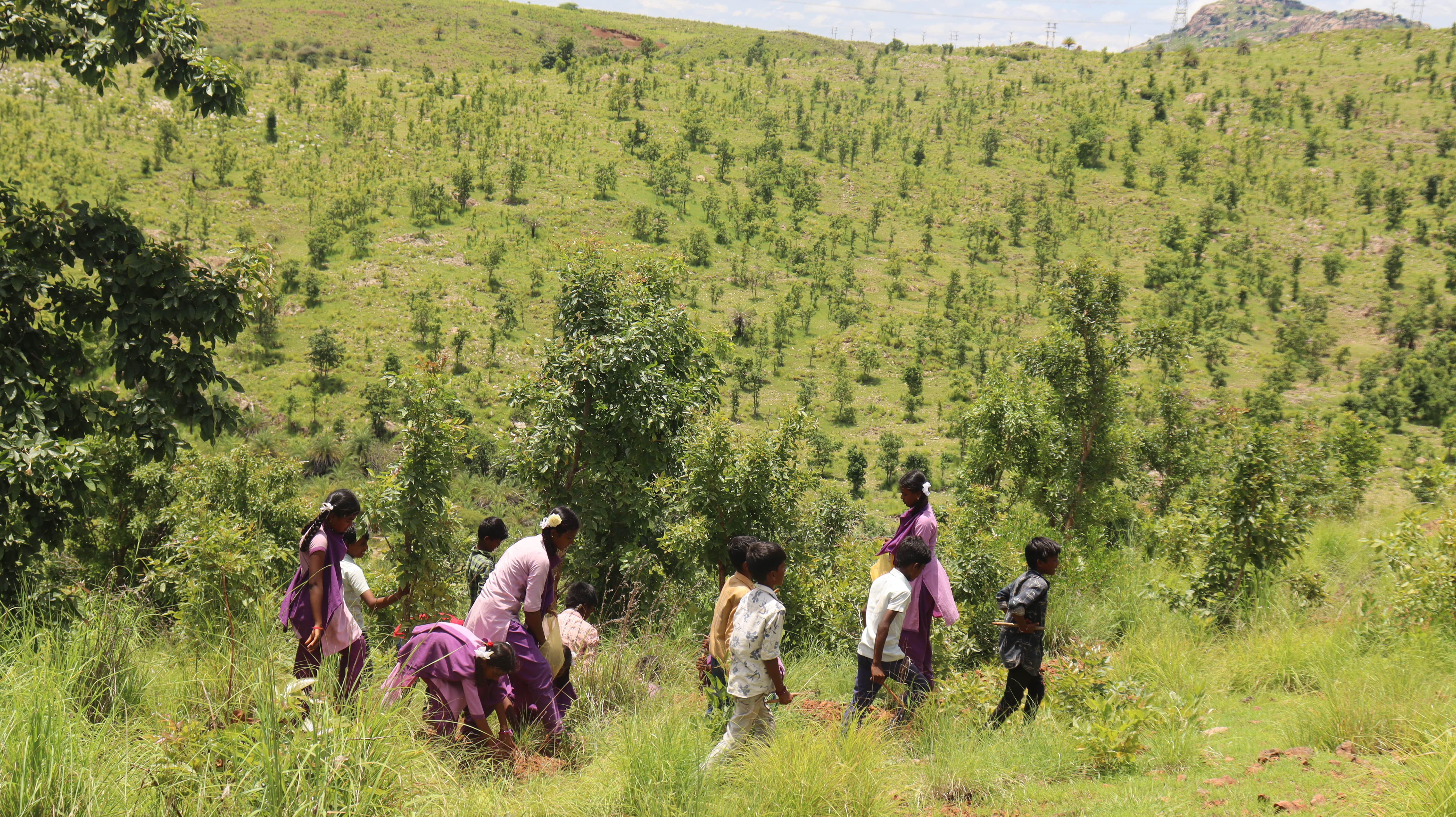
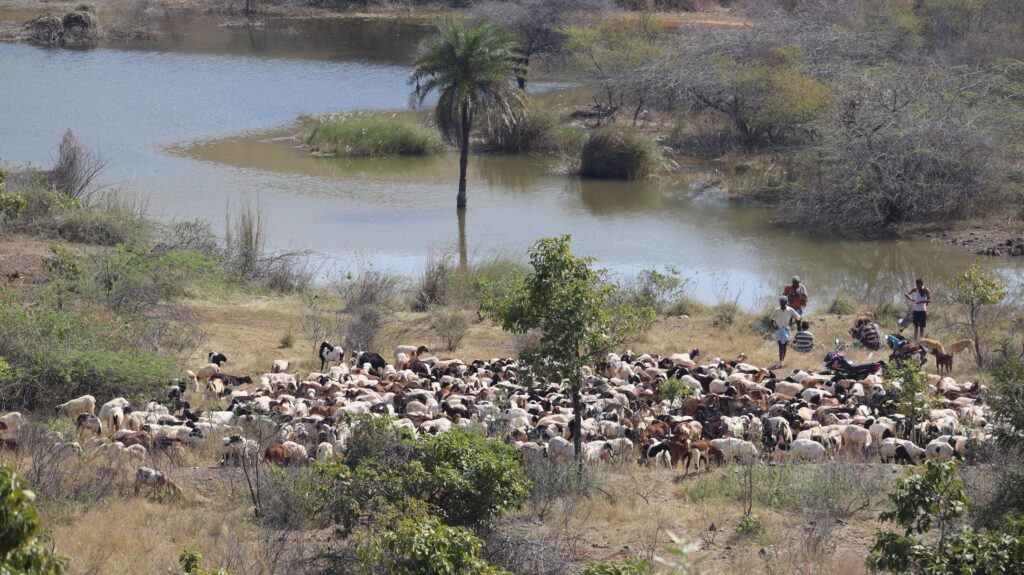
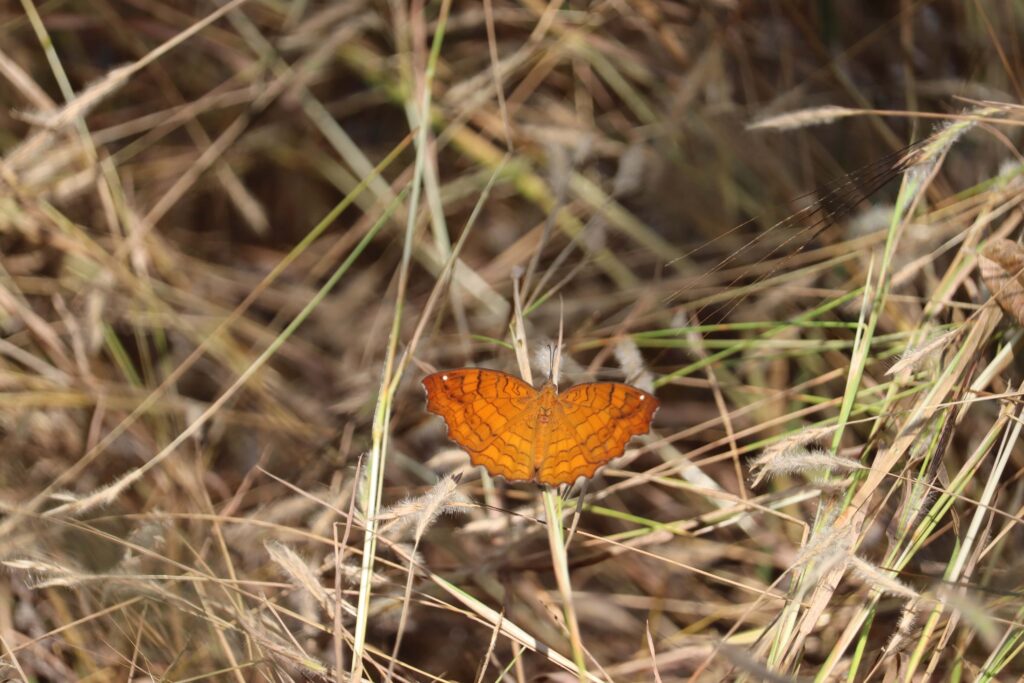
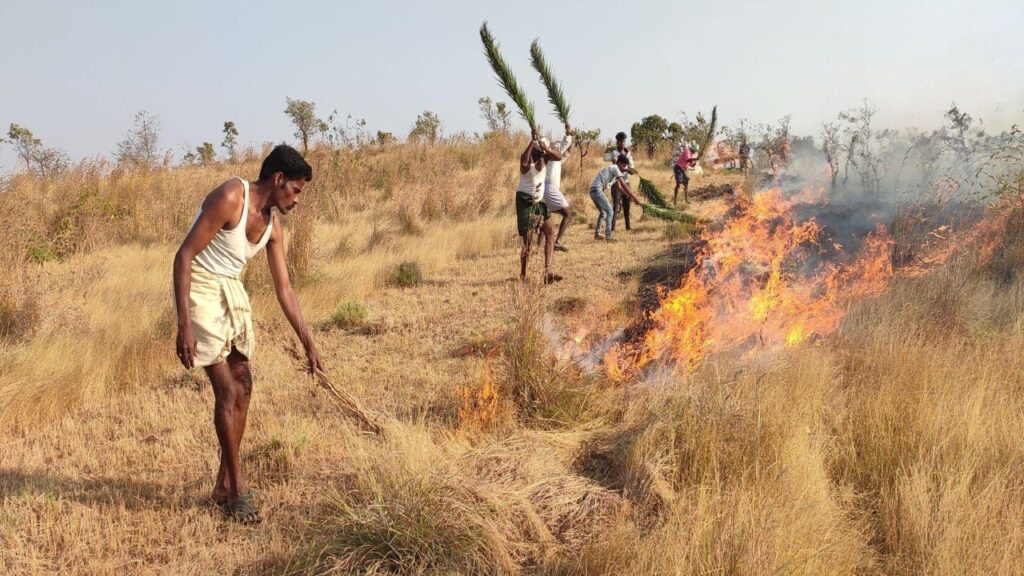
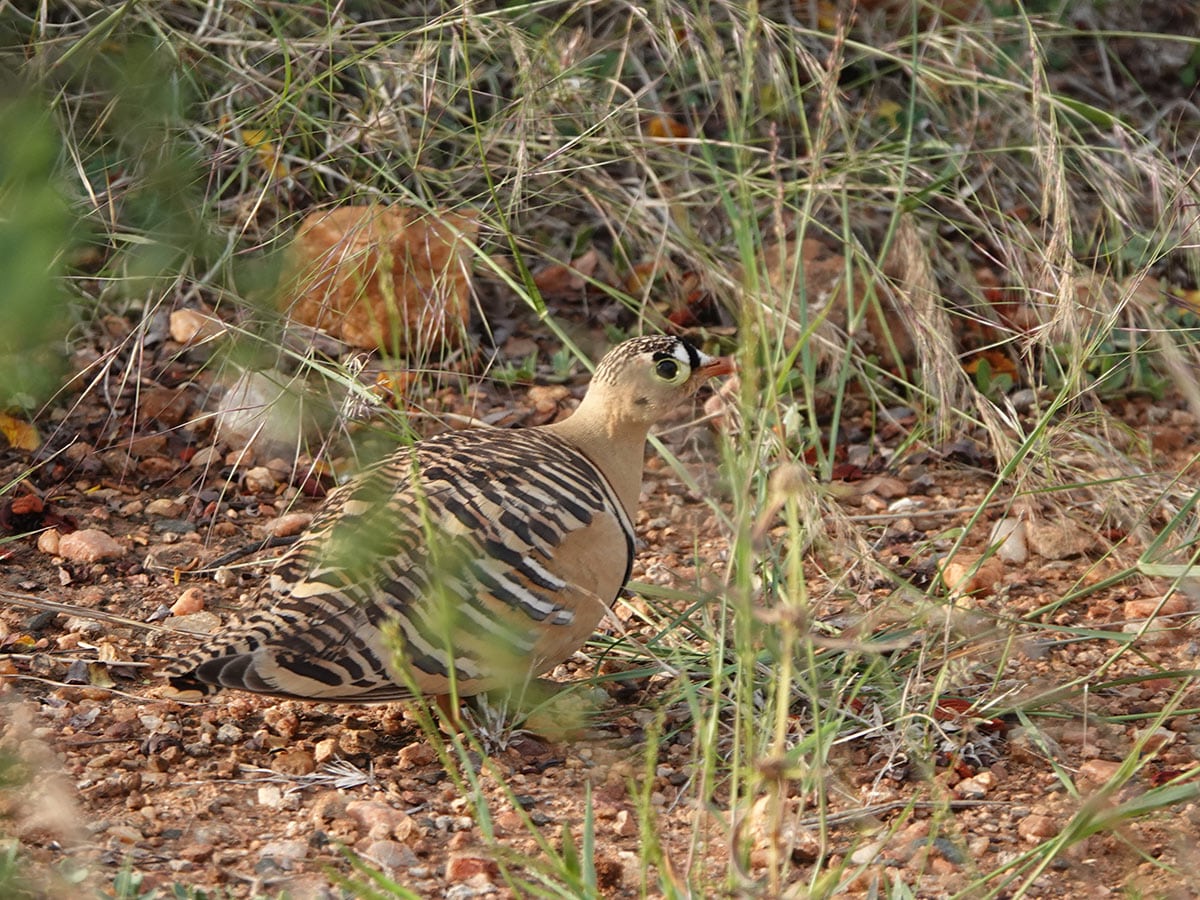
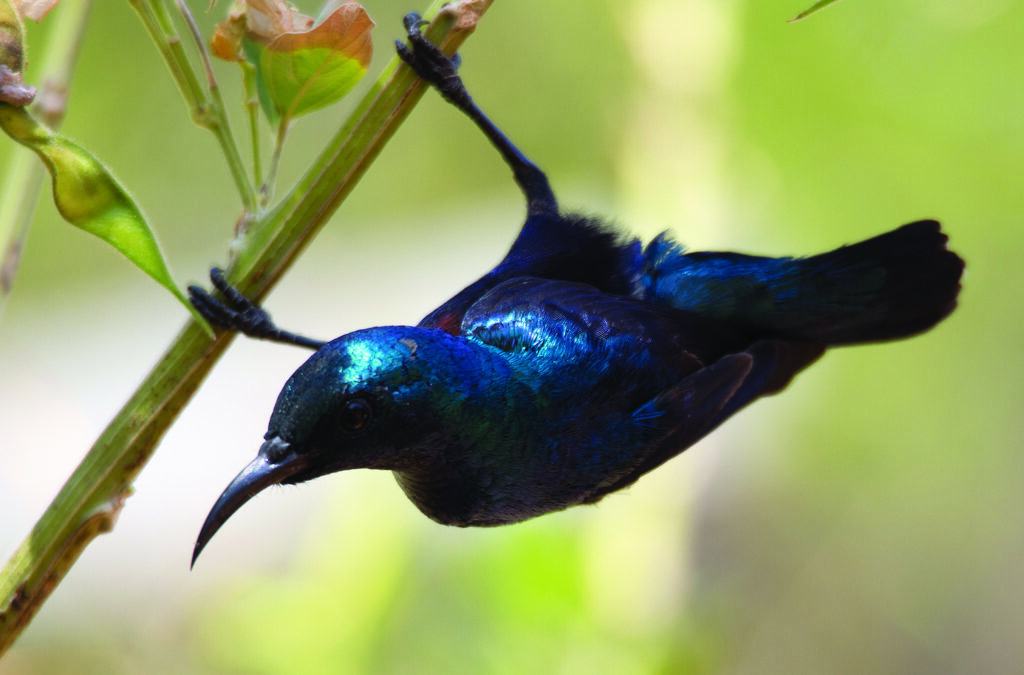
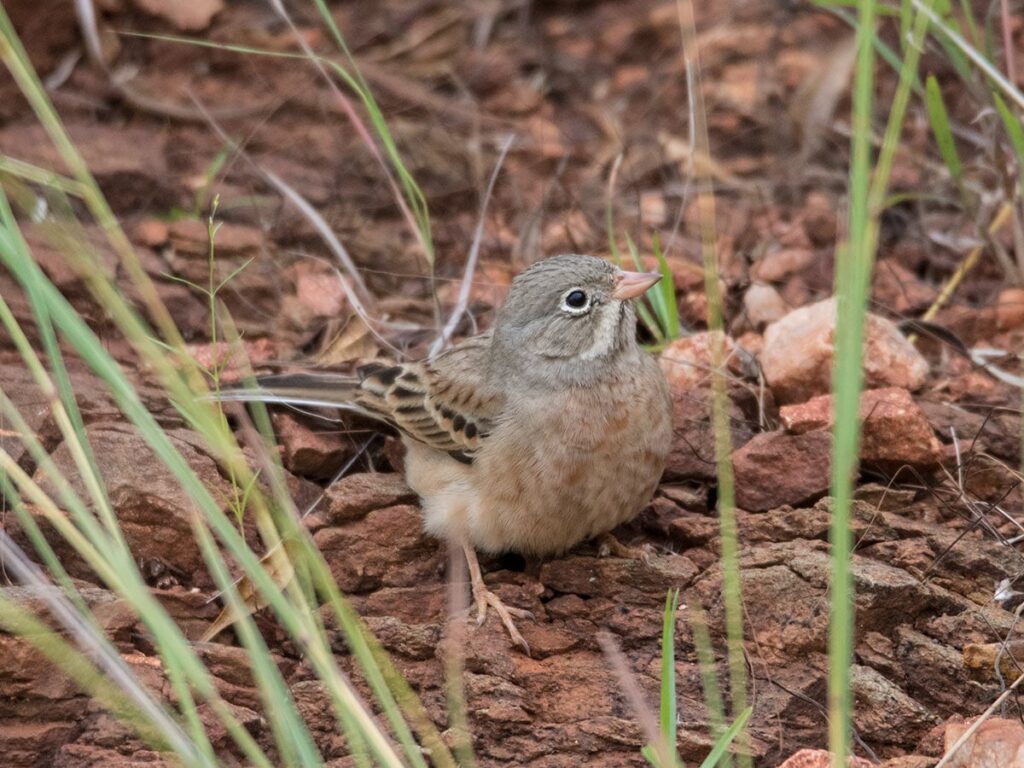
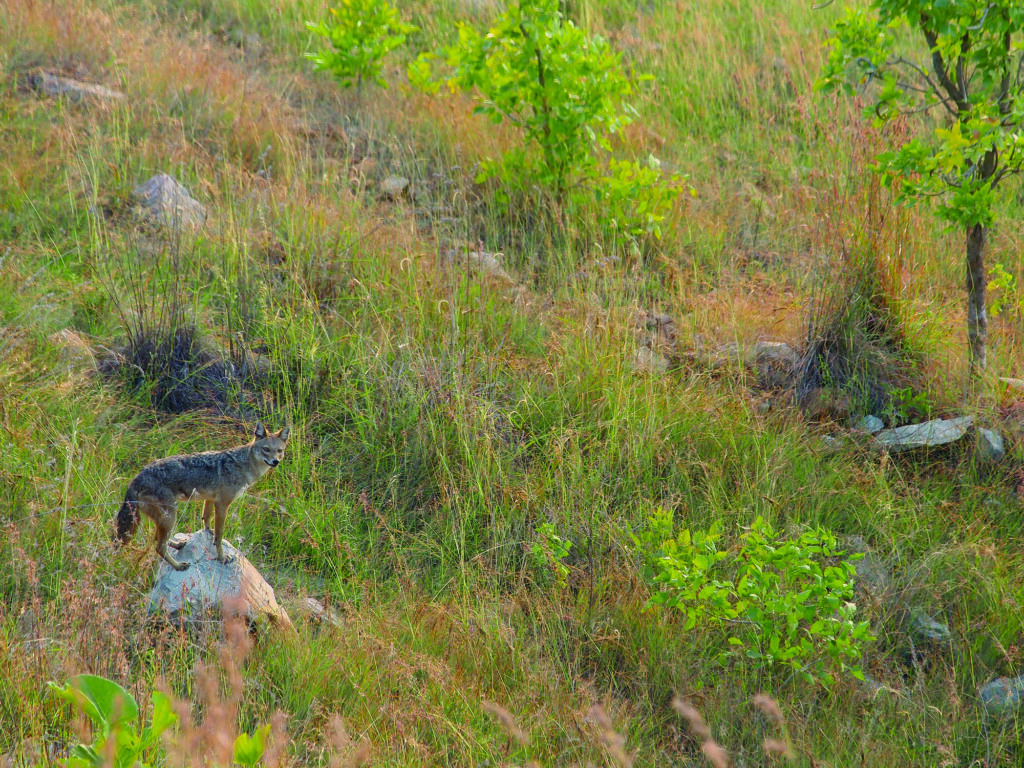
The Kalpavalli Community Conservation Area (KCCA) comprises the village commons of eleven villages in these mandals and has become a living demonstration of community-led ecological regeneration. The landscape has been restored through tree planting, natural regeneration, soil and water conservation efforts such as bunding, trenches and check dams, regulated and rotational grazing, sustainable non-timber forest produce (NTFP) collection, fire protection measures and ongoing environmental education. These collective efforts have strengthened groundwater recharge, improved soil fertility and enhanced fodder availability, while also creating habitat for local wildlife. The success of Kalpavalli later inspired the Government to take up large-scale restoration of common property resources under the MNREGA programme in 2005.
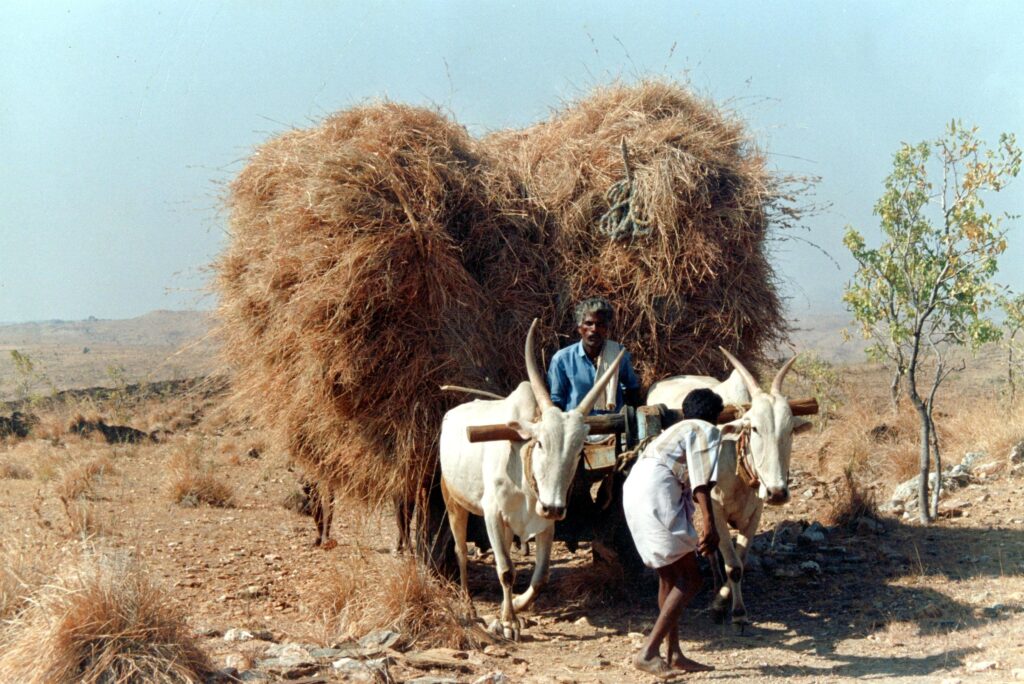
To ensure long-term governance and community stewardship of the commons, the Timbaktu Collective supported the establishment of the Kalpavalli Tree Growers’ Cooperative Society, registered under the Andhra Pradesh Mutually Aided Cooperative Societies Act, 1995. The Cooperative is a federation of ten Vana Samrakshana or Village Forest Protection Committees, representing each village involved in managing the commons. The Cooperative works to strengthen democratic management of these lands, supports sustainable grazing and livestock-based livelihoods, develops protocols for fodder harvesting and NTFP collection, enables training and capacity building, and advocates for community rights over commons and ecological restoration practices. Its work particularly benefits landless families, pastoralists and women who depend on the commons for grazing, fodder, and other livelihood needs.
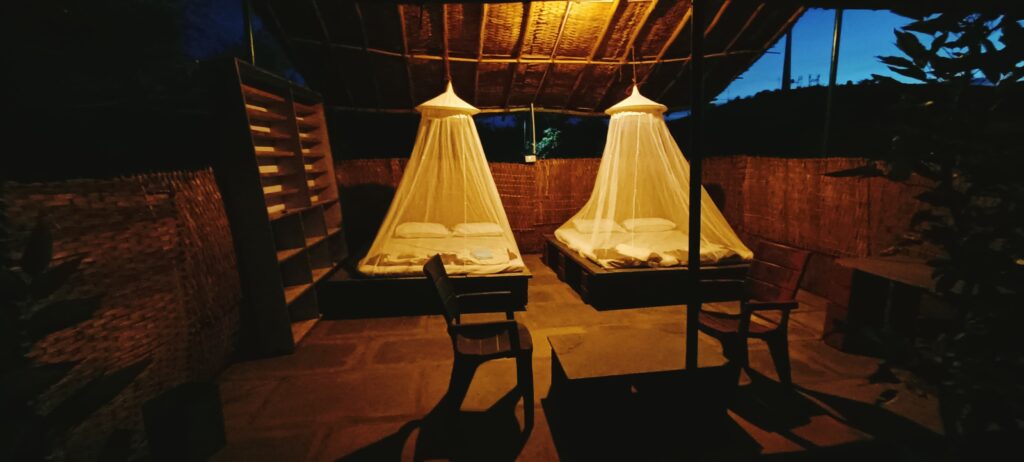
Today, Kalpavalli stands as a living learning landscape for farmers, students, researchers, practitioners and government officials interested in community-led ecological restoration and climate-resilient land management. The area hosts exposure visits, training programmes and eco-learning camps that share lessons from decades of community conservation. Kalpavalli continues to demonstrate that with collective action and shared stewardship, degraded commons can be regenerated into ecologically rich and economically valuable landscapes. The Timbaktu Collective remains committed to strengthening this model, expanding its impact and working with communities to secure the future of the commons as vital ecological and livelihood resources.