Chiguru
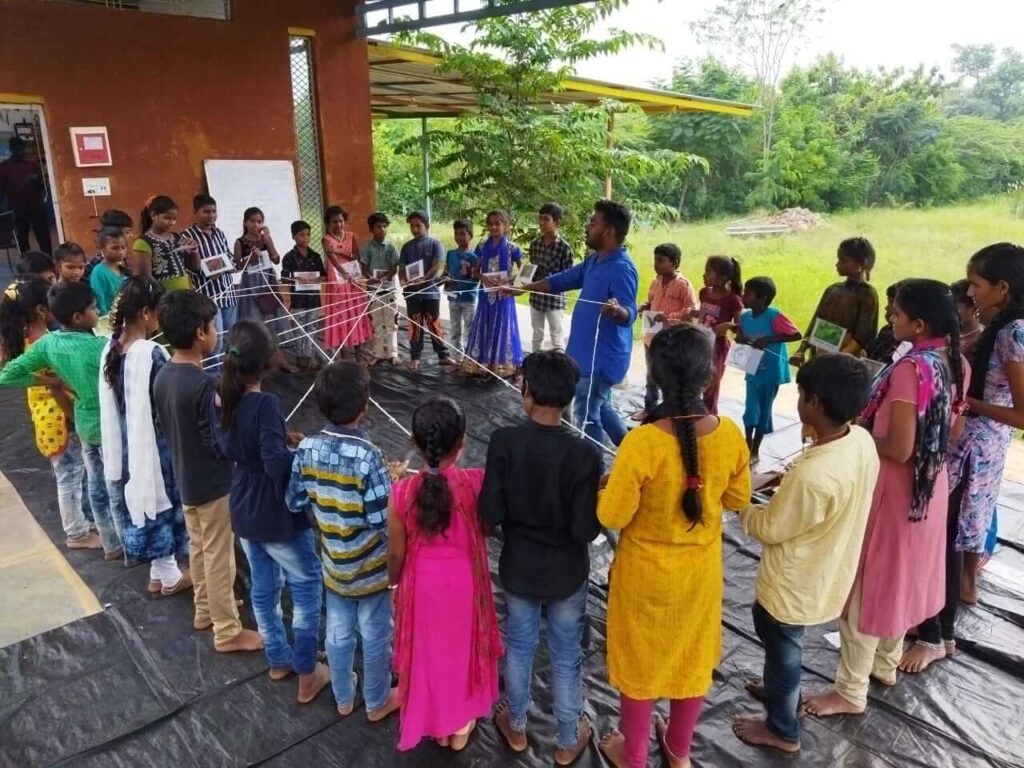
- Prakruthi Badi (Nature School), an accredited residential alternative primary school housed in the lush Timbaktu agro-forest habitat;
- Mogga (“bud”), a federation of Balala Sanghas (Children’s Clubs) and Yuvatha Sanghas (Youth Clubs);
- Children and Youth Resource Centres (CYRCs) and
- Publication of Chinnari Nestham Children’s Magazine.
Prakruthi Badi (Nature School)
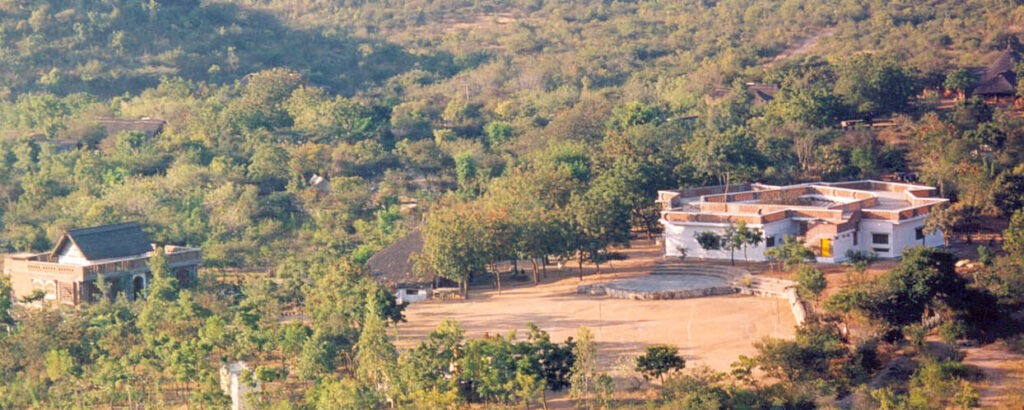
Prakruthi Badi is an accredited, residential alternative primary school (Classes 1-5) located in the Timbaktu agro-forest habitat, which specifically caters to children from disadvantaged and challenging backgrounds in the working area of the Collective. It provides a safe, nurturing and creative space for these children. Prakruthi Badi has enabled more than 3,006 children from disadvantaged backgrounds to access primary and secondary school level education in a safe and nurturing environment. Many alumni of Prakruthi Badi (Nature School), and Timbaktu School have gone on to excel in their chosen fields, with several continuing to contribute to the Collective’s work.
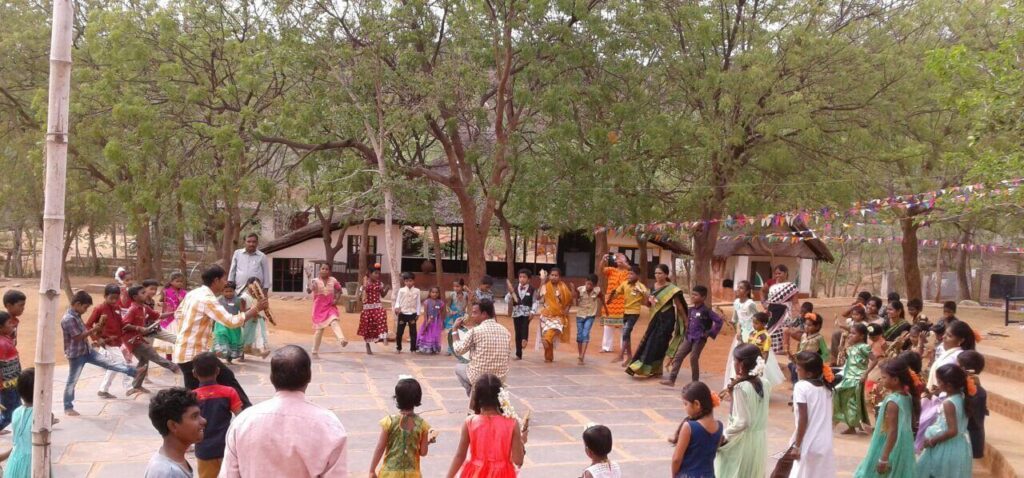
The school integrates academics with art, culture, creative and performing arts, sports and games, constitutional values, and nature-based learning, while nurturing socio-emotional growth, life skills, and ecological sensitivity of the children through sessions designed to match the age and abilities of each child. The school is built on principles of love, respect, and zero tolerance for violence. It follows a child-centric, holistic approach that values each child’s rights, well-being, and individuality. Learning is inclusive, rooted in nature and the local cultural heritage, and encourages experiential education through play, art, and exploration. A strong sense of community and shared responsibility underpins the space, ensuring it nurtures all learners.
Mogga (“bud”)
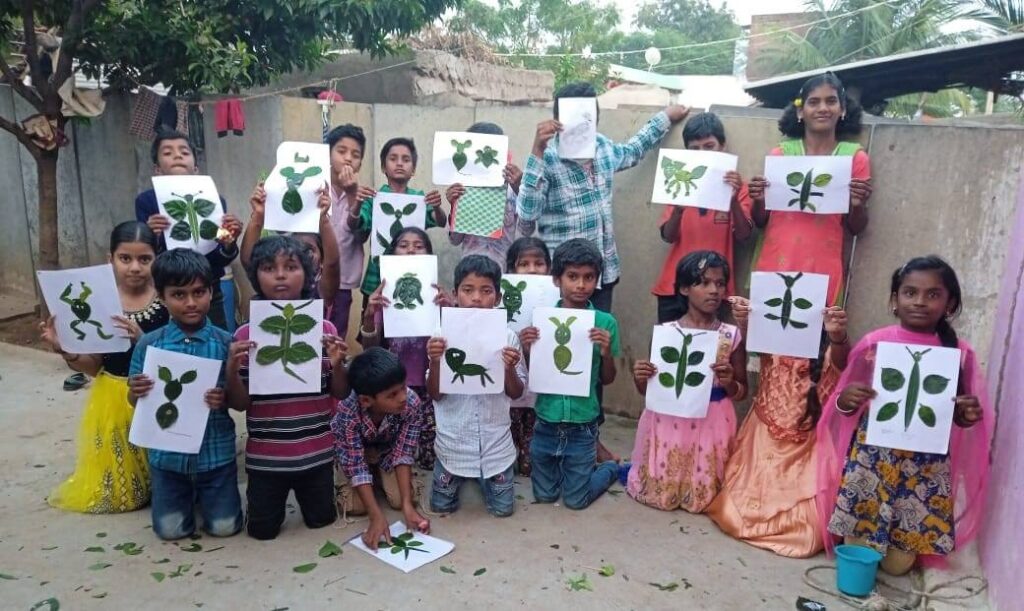
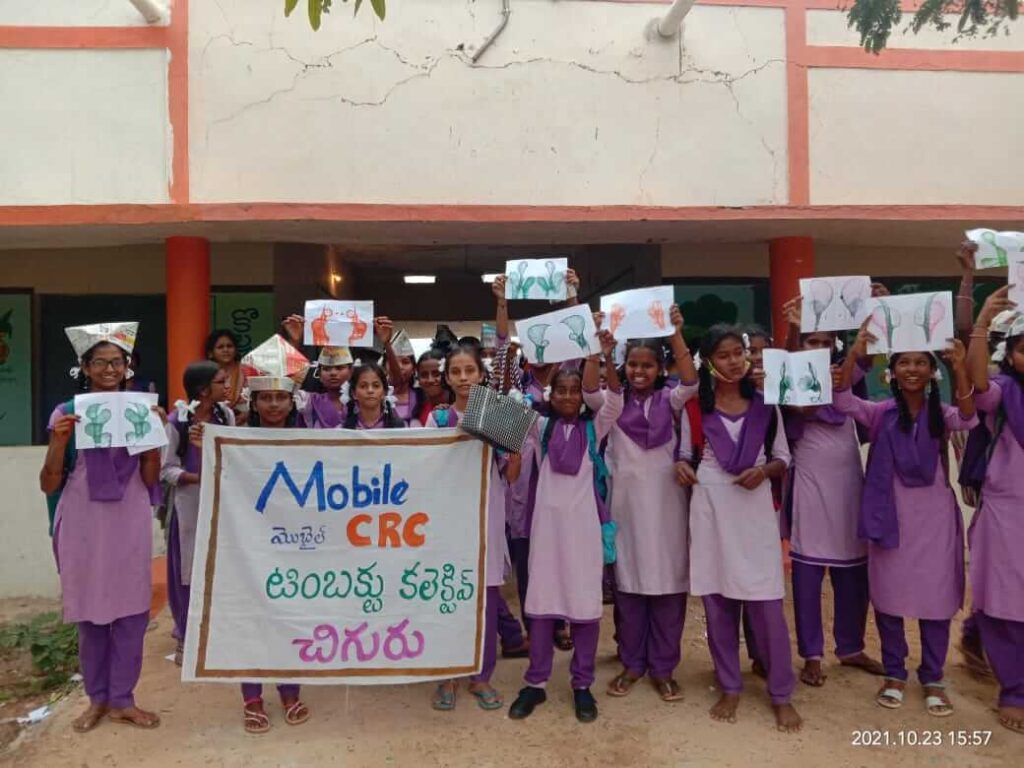
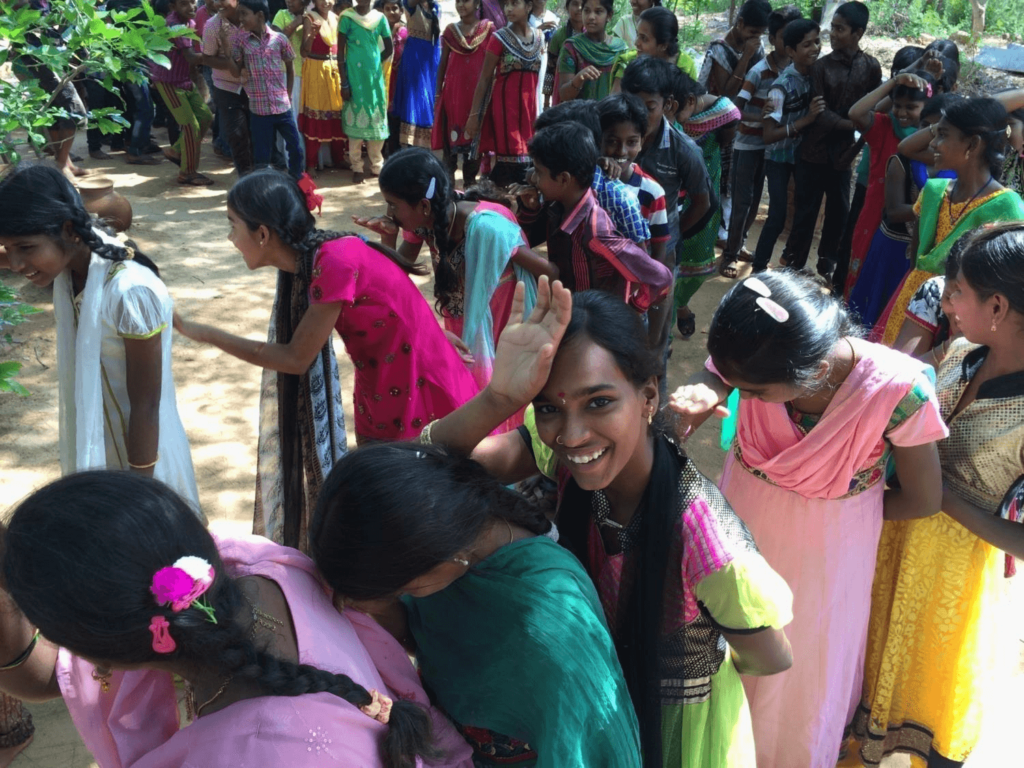
Mogga is the village-level outreach initiative of the Chiguru programme, uniting children and youth through Sanghas (village clubs). The federation builds leadership and collective action by engaging members in monthly club meetings, camps and workshops on a wide range of themes across child rights, gender, ecology, and constitutional values and leadership. Over the years, Mogga has focused on life skills, language and computer literacy, and career guidance.
The Chiguru programme also runs after-school academic support programmes for children and youth from remote villages and institutions. These learning spaces address the urgent need for quality educational support in rural areas by providing structured environments where students receive personalized guidance in the fundamentals of various subjects.
Children and Youth Resource Centres (CYRCs)
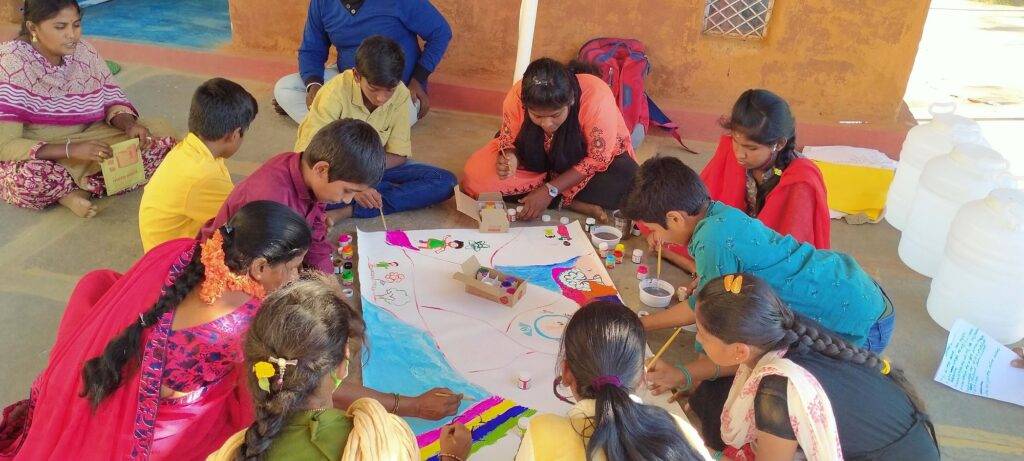
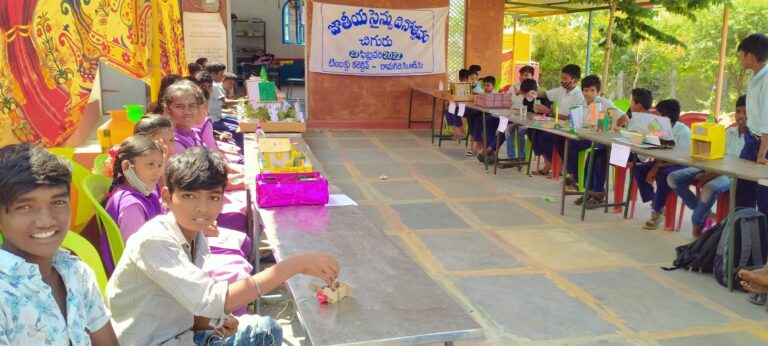
The Children and Youth Resource Centres (CYRCs) are free community centres under the Chiguru programme designed as vibrant hubs for interaction, creativity, and learning for children and youth in the region, located in Chennekothapalli, Roddam, and Ramagiri mandals. The resource centres are equipped with books, games and sports materials with facilities for art and craft workshops, celebration of events, skill development trainings, etc. They also host trainings, workshops, events, and celebrations, providing children and youth with opportunities for exploration, expression, and experiential learning.
Chinnari Nestham (Children’s Friend) magazine
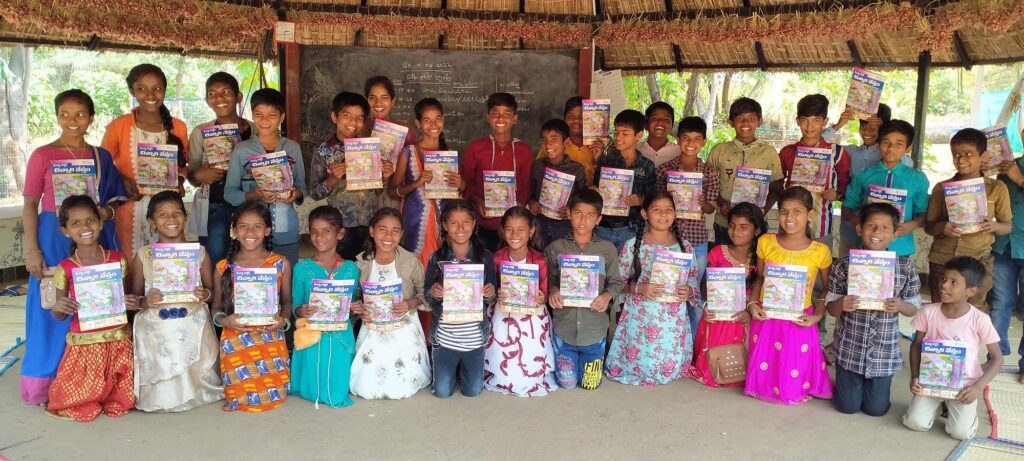
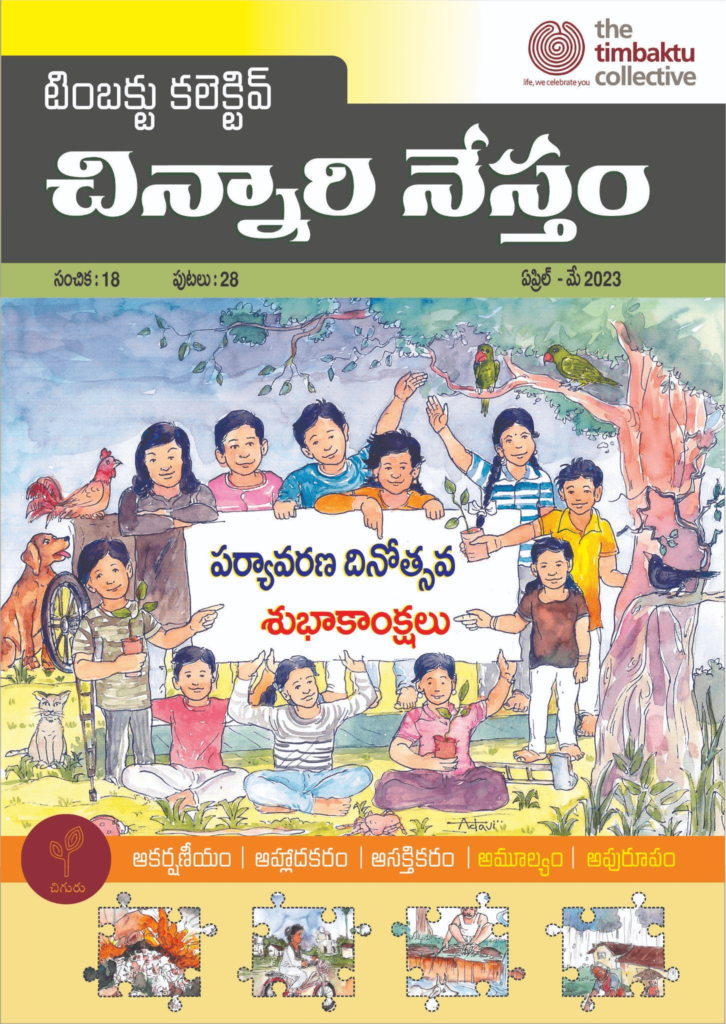
Chinnari Nestham is a bi-monthly magazine created by and for children, with its editorial team elected from the Children’s Clubs leaders, forming the Mogga Federation. The magazine features stories, poems, rhymes, riddles, drawings, paintings, and articles contributed by children themselves, offering them a platform to express their creativity. Beyond nurturing imagination and enhancing listening, speaking, reading, and writing (LSRW) skills, Chinnari Nestham also serves as a valuable learning resource for the Nature School and Children’s Clubs. Its diverse content spans children’s literature, ecology, social and cultural themes, general knowledge, and reasoning.